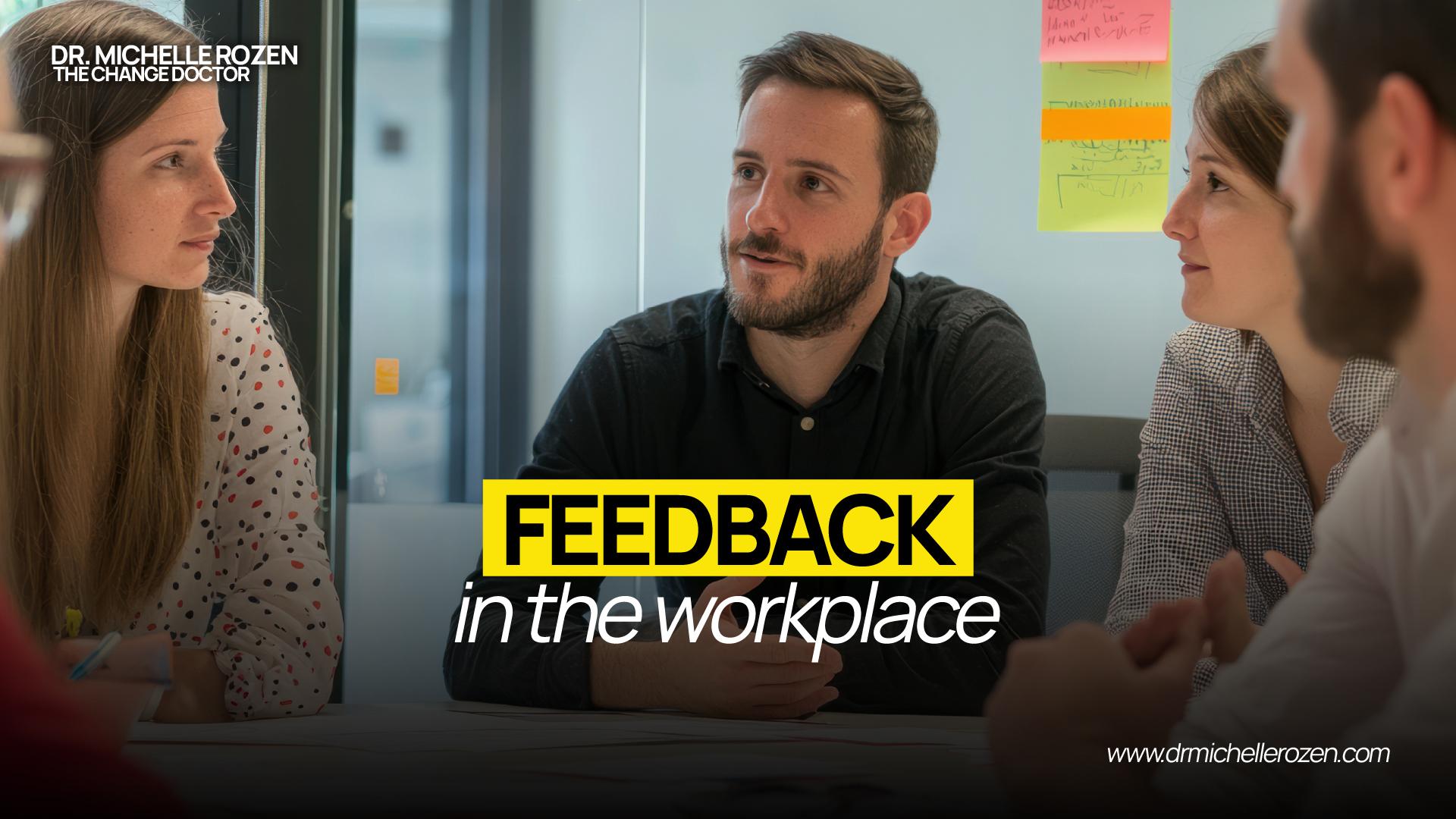
The short answer to building a culture of feedback in the workplace is this: normalize open conversations, model feedback from the top, and turn feedback from a one-time event into an everyday habit. When feedback becomes part of the air your organization breathes—not an isolated moment—it fuels performance, trust, and growth at every level.
Now let’s break down how you, as a leader, can build a feedback culture that energizes your team, unlocks potential, and keeps your organization moving forward.
Why Feedback Culture Matters in Today’s Workplace
We’re no longer living in an era where feedback is given once a year, behind closed doors, with stiff body language and scripted phrases. Today’s high-performing workplaces thrive on continuous feedback—because continuous improvement demands continuous insight.
In a fast-changing world, organizations that wait six or twelve months to give or receive feedback are already behind. Feedback isn’t just about correcting problems—it’s about reinforcing what works, catching blind spots early, and building an agile, self-aware team. Without a feedback culture, even the most talented teams will hit a ceiling. With it, there are no limits to what’s possible.
The Role of Leadership in Modeling Feedback Behavior
It always starts with leadership. You can’t ask your team to embrace feedback if you’re not actively modeling it yourself. Leaders must be willing to give feedback that is clear, timely, and respectful—but also be open to receiving it without defensiveness. When you, as a leader, say “What’s one thing I could have done better in that meeting?” you send a powerful signal: feedback is not a threat—it’s a tool.
People don’t mirror what you say; they mirror what you do. If you want radical candor in your organization, it starts with being radically open yourself.
From Occasional Input to Continuous Conversations
Too many workplaces treat feedback like a fire extinguisher: break glass in case of emergency. Instead, feedback should flow regularly—in hallway conversations, in project recaps, in daily check-ins. This doesn’t mean overloading your team with critiques. It means fostering a rhythm where insights, ideas, and observations are welcomed and shared consistently.
Normalize quick reflections after meetings: What worked? What didn’t? Ask employees regularly: What do you need more of from me? What’s one thing I can help you with this week? These small moments build the habit—and over time, the culture.
Harnessing Feedback Channels for Employees – Building a Two-Way Street
A culture of feedback is not a one-way street where only managers speak and employees listen. It must be reciprocal, inclusive, and dynamic. That means creating both formal and informal channels where employees can share ideas, raise concerns, and offer feedback—without fear.
Digital and Physical Spaces for Open Communication
Whether your team is remote, hybrid, or in-office, the space you create—both physical and virtual—sets the tone. Open office hours, suggestion boxes, team forums, collaborative documents, Slack channels, anonymous polls—these are all tools, but what matters most is that they’re easy to use and regularly acknowledged.
Feedback systems that feel like black holes—where ideas go in but nothing comes out—destroy trust. If you’re going to open a channel, make sure you close the loop. Respond, reflect, and follow up.
Anonymous Feedback: When and Why It Matters
Let’s be clear: anonymous feedback should never be the only way employees feel safe to speak. But it’s a powerful supplement, especially when addressing sensitive topics or surveying larger teams. It gives voice to the quieter team members, surfaces unseen issues, and creates an early warning system for cultural drift.
Used correctly, anonymous feedback protects psychological safety without encouraging passive aggression. The key is using it as a door opener—not a replacement—for real conversation.

Incorporating Organizational Feedback into Daily Operations
Feedback should never feel like a disruption to “real work.” It is real work. And the best leaders find ways to weave it into the fabric of daily operations so that it feels natural, not forced.
Making Feedback Routine: Huddles and Check-ins
Huddles, standups, and 1:1 check-ins are perfect places to make feedback part of the rhythm. A quick “What’s one win and one challenge this week?” opens the door for celebration and insight. Embedding small prompts like “Any blockers I can help remove?” or “What would you do differently next time?” reinforces reflection and learning in real time.
When feedback becomes routine, it stops being scary—and starts being expected.
Manager Training for Effective Feedback Delivery
Too often, we assume managers naturally know how to give great feedback. But most don’t—because they were never taught. And without the right training, feedback can come across as vague, judgmental, or even harmful.
Train your managers to be specific, timely, balanced, and behavior-focused. Equip them with frameworks like SBI (Situation–Behavior–Impact) or the Stop–Start–Continue model. Practice with role-play. Provide examples. And most importantly—have senior leaders model what great feedback looks like.
Feedback Activities for Employees – Make It Engaging, Make It Fun
Feedback doesn’t have to feel like a performance review. In fact, the best cultures make feedback engaging and even enjoyable. That’s how you build real participation—not just compliance.
Peer Reviews and Role-Playing Exercises
Structured peer feedback sessions—when framed with clear guidelines—can be a powerful growth tool. They teach empathy, communication, and accountability.
Role-playing exercises around difficult conversations, giving constructive input, or receiving feedback with grace can elevate emotional intelligence across your team. Make it safe, make it practical, and keep the learning fun.
Virtual Feedback Activities for Remote Teams
For remote teams, virtual tools like feedback games, team reflections on shared documents, or feedback-focused breakout rooms during meetings can bridge the distance. Use icebreakers like “One thing I appreciate about your work is…” or “One way you helped the team this week…” to build connection and boost morale—even from miles away.
Can Measuring Performance and Providing Feedback Improve Results?
Absolutely. But only when performance metrics and feedback are aligned—not disconnected.
Performance Reviews That Actually Work
Performance reviews often fail because they’re backward-looking, vague, or overly focused on checkboxes. Real performance reviews should be part of a broader feedback ecosystem, not a once-a-year download. They should include self-assessment, manager feedback, and forward-facing goals.
When performance conversations feel like a dialogue, not a judgment, they unlock motivation—not fear.
The Power of Balanced Feedback
Too much focus on what’s wrong demotivates. Too much praise without substance leads to complacency. The magic lies in balanced feedback—reinforcing strengths while identifying opportunities. Recognize the effort, but guide the growth. That’s how you inspire excellence.
The Impact of Employee Feedback on Diversity and Inclusion
A true feedback culture doesn’t just improve performance. It also amplifies voices that are too often unheard, which is essential for diversity, equity, and inclusion (DEI).
Listening to All Voices
Feedback cultures that only elevate the loudest voices or most senior employees are not inclusive. Create intentional spaces for marginalized voices. Actively ask underrepresented employees: “How can we do better?” and mean it.
Psychological safety isn’t evenly distributed by default—it must be designed. Feedback is the foundation.
Using Feedback to Improve Equity and Belonging
Use feedback trends to examine equity: Are certain teams receiving less mentorship? Are some voices ignored in meetings? Use this insight not to punish—but to adapt and grow. A workplace where everyone feels heard is a workplace where everyone can thrive.
Conclusion: A Culture of Feedback is a Culture of Growth
Feedback isn’t a formality. It’s a foundation. When you build a culture where feedback flows freely, you create an organization that is agile, inclusive, resilient, and always evolving.
Leadership means choosing growth over comfort—not just for yourself, but for your entire team. And that growth begins with one simple, courageous question: How can we get better, together?