Why Trust Is the Foundation of High-Performance Cultures
Trust is the invisible currency of high-performing organizations. When trust is present, teams move faster, collaborate better, and innovate more freely. But without it, even the most talented teams stall. According to a 2023 PwC survey, 95% of executives say trust is essential to business success—yet only 30% of employees actually trust their leadership. That gap isn’t just disappointing; it’s dangerous.
A lack of trust erodes engagement, fuels turnover, and undermines productivity. It drives up stress, lowers morale, and creates environments where people operate from fear, not purpose. The good news? Trust can be built. It’s not a personality trait or a vague concept—it’s a set of strategic leadership behaviors. And when leaders take ownership of building a culture of trust, everything changes.
Trust Transparency: Open Communication Channels That Build Credibility
Transparency builds confidence and connection. When teams are left in the dark, they fill the silence with doubt. But when leaders communicate openly—about decisions, strategy, and challenges—employees feel informed and included. That’s when trust takes root.
A Harvard Business Review study found that transparency increases engagement by 76% and reduces the likelihood of turnover by over 40%. One powerful example is Toyota’s Obeya approach, where cross-functional teams work in a shared space with complete visibility into progress, roadblocks, and next steps. That visibility drives ownership, speeds up collaboration, and fosters deep trust.
To build trust transparency, leaders must communicate early, often, and clearly. Regular town halls, real-time feedback channels, and open-door leadership styles aren’t optional—they’re essential. But transparency isn’t just about frequency. It’s about substance. Explaining the “why” behind decisions—even difficult ones—shows respect for your team’s intelligence and reinforces a sense of shared mission.
Integrity Integration: Aligning Actions with Values to Strengthen Trust
When leaders say one thing and do another, trust erodes fast. Your organization’s values aren’t your culture—your behaviors are. A 2024 Forbes study found that companies that align actions with values outperform competitors by up to 400% in revenue growth. That’s not a coincidence. That’s integrity in action.
Patagonia offers a powerful example. Their environmental values shape everything from product design to customer policies. It’s not just branding—it’s operational integrity. And it breeds deep trust from both employees and customers.
To practice integrity integration, hold leaders accountable for modeling values. Embed those values into hiring, rewards, and performance reviews. Make integrity a standard, not a slogan. When values become the baseline for how decisions are made, trust becomes an automatic byproduct.
Empowerment Engine: The Power of Delegation and Employee Ownership
Micromanagement signals a lack of trust—and your team feels it. Empowerment, on the other hand, builds confidence, innovation, and engagement. According to Gallup, companies that empower employees see 21% higher profitability and 20% greater innovation.
Atlassian exemplifies this with innovation days that give employees freedom to pursue new ideas outside their roles. This trust in employee ownership has fueled some of the company’s most successful products.
Empowerment doesn’t mean stepping back—it means stepping up to equip, support, and trust your people. Delegate outcomes, not just tasks. Give people room to lead. And most importantly, give them permission to learn as they go. Empowered employees feel invested in outcomes because they have ownership—not just assignment.
Accountability Anchor: Owning Mistakes to Foster Psychological Safety
Trust thrives where people feel safe to speak up, take risks, and own mistakes. Blame culture destroys that safety. In contrast, accountability culture builds it.
Google’s landmark research on team performance revealed that psychological safety is the top predictor of high-performing teams. Etsy puts this into practice with blameless postmortems—open reviews that focus on learning, not finger-pointing.
To embed the accountability anchor, start with your own example. Own your mistakes out loud. Create forums where your team can debrief, reflect, and learn—without fear. Safety leads to honesty, and honesty fuels trust. It also builds team resilience. Teams who aren’t afraid to fail are more likely to innovate, push boundaries, and adapt quickly.
Recognition Rituals: Celebrating Contributions to Strengthen Trust
People trust leaders who see them. Recognition turns invisible effort into visible impact. Yet a WorkHuman study found that 69% of employees feel underappreciated—and they’re twice as likely to leave.
Salesforce gets this right with their peer-to-peer recognition system, part of the Ohana Culture. It empowers employees to celebrate one another’s contributions across the company, creating a trust-rich environment of appreciation.
Recognition rituals don’t have to be elaborate. They just need to be consistent, genuine, and meaningful. Public shoutouts, handwritten notes, and values-based awards go a long way. But the most powerful form of recognition? Listening. When leaders listen deeply and act on feedback, employees feel valued—and that builds lasting trust.
Final Thoughts: Trust as a Leadership Superpower
Trust isn’t just a nice-to-have. It’s a force multiplier. It unlocks speed, engagement, innovation, and performance. It’s your competitive advantage—and your cultural legacy.
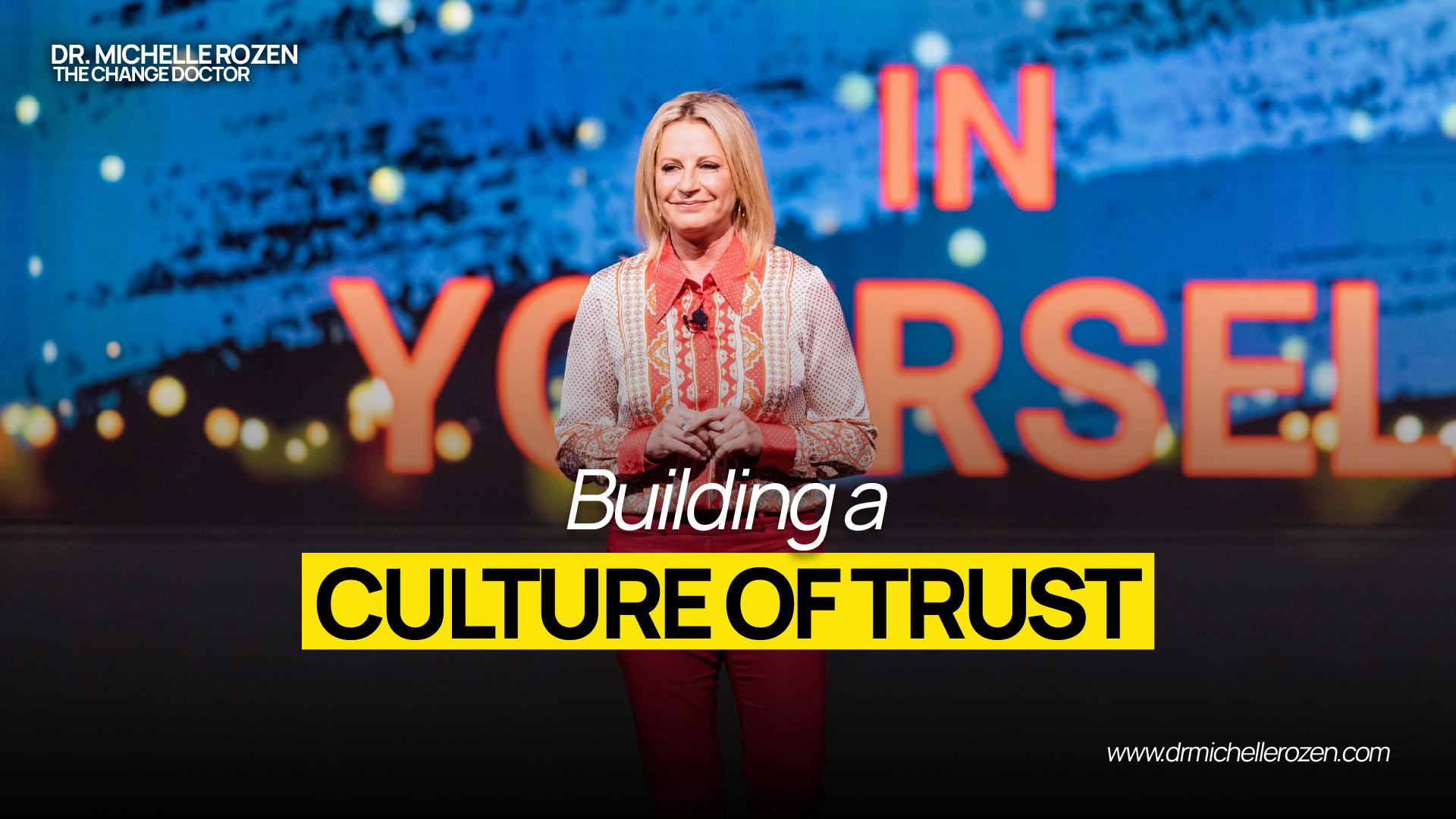
Building a culture of trust means leading with transparency, aligning actions with values, empowering ownership, creating psychological safety, and recognizing what matters. These aren’t abstract ideas—they’re daily leadership habits that fuel sustainable success.
And here’s what’s often overlooked: trust doesn’t take years to build. It takes consistency. One honest conversation. One meaningful recognition. One courageous act of accountability. Trust is built in the moments that matter—and those moments are happening every day.
Make trust your leadership superpower. Because when your people trust you, they give you more than compliance—they give you commitment. And that changes everything.