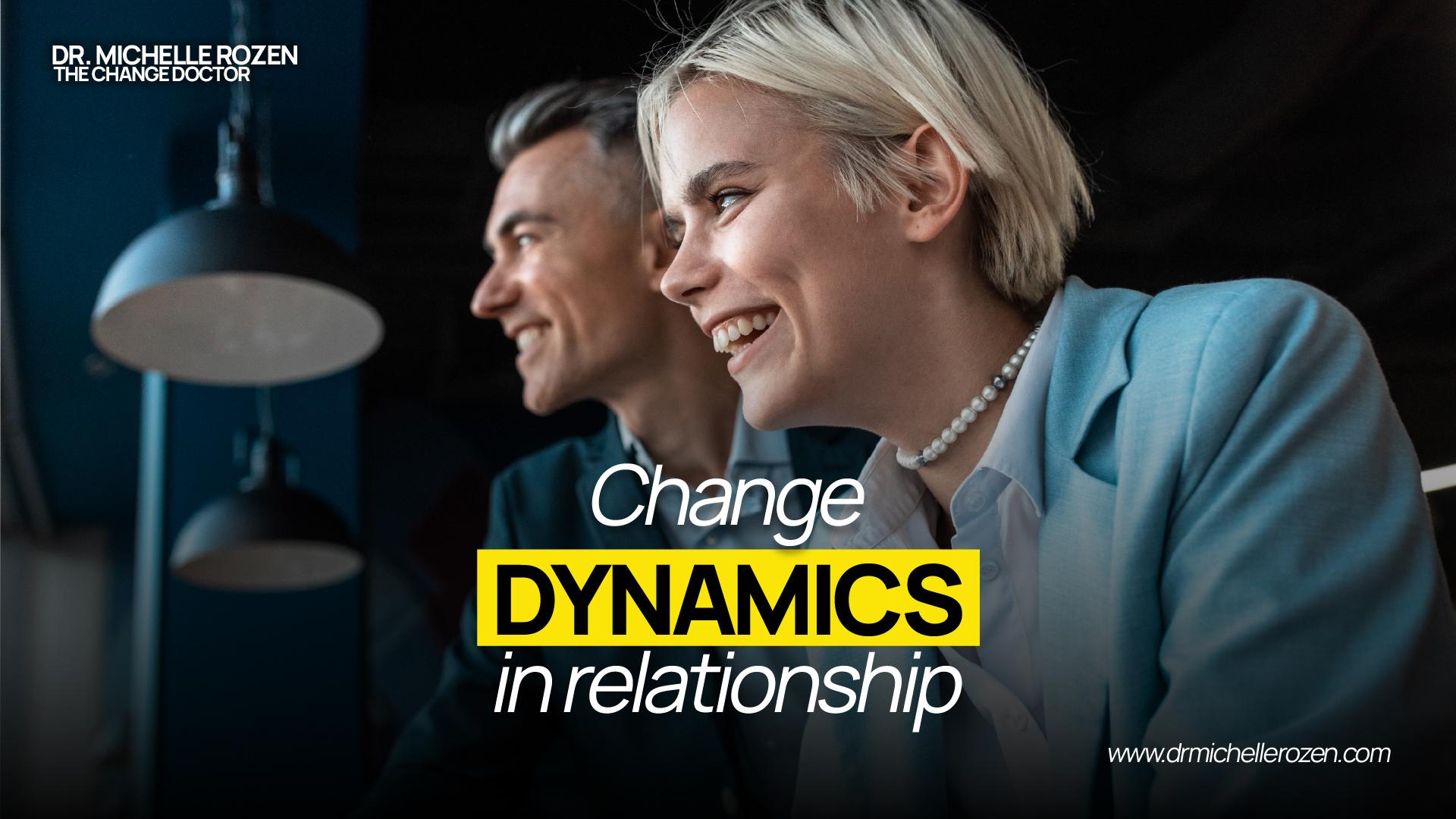
To change dynamics in a relationship, one person must break the existing pattern first. Relationship dynamics are reinforcing loops: when you change your response, the other person is forced to adjust theirs. The most effective starting point, according to couples therapist Esther Perel, is shifting from reactive behavior to intentional communication. The five strategies below focus on concrete behavioral changes rather than asking your partner to change first.
If you’re wondering how to shift the dynamics in any relationship—whether personal or professional—the first answer is this: start by changing your role in the pattern. Sustainable change begins when one person in the cycle chooses to act differently, consistently, and with intention. This change doesn’t demand perfection from others; it asks for responsibility from you. As I teach in advanced interpersonal transformation coaching, the power to shift relationship dynamics lies not in controlling others, but in recognizing the influence of your own behavior, communication style, and emotional presence.
Research published in the National Library of Medicine found that emotional intelligence serves as a protective factor during relationship conflicts, with emotion management being an essential factor in changing conflict outcomes (NIH/PMC).
The Mental Health Foundation emphasizes staying connected with people who keep you calm and provide emotional support as essential for managing stress and maintaining healthy relationship dynamics (Mental Health Foundation).
Why Relationship Dynamics Matter
Every relationship, whether thriving or strained, operates within a pattern of actions and reactions—a dynamic that gets rehearsed over time, often unconsciously. These patterns may seem fixed, but they are not permanent; they are habits. And like any habit, they can be broken, rewired, and replaced with something healthier and more effective. In the workplace, at home, and in leadership roles, learning how to shift these dynamics is an essential skill for cultivating trust, collaboration, and sustained influence.
What Are Relationship Dynamics?
Relationship dynamics are the invisible but powerful behavioral patterns that define how people interact with each other. These patterns often develop organically over time, shaped by expectations, roles, stress responses, and communication habits. If you feel stuck in a cycle with someone—whether it’s conflict, avoidance, enabling, or silence—you’re likely participating in a dynamic that needs to be examined and evolved.
How Dynamics Shape Connection and Conflict
When relationship dynamics are healthy, they foster connection, curiosity, and growth. When they are imbalanced, they lead to chronic misunderstandings, frustration, and emotional distancing. Dynamics shape not only how we communicate, but what we expect, how we react, and whether we feel emotionally safe. The most common dynamics I encounter in my executive and relationship coaching work include rescuer-victim, avoider-pursuer, and controller-pleaser. Understanding these roles is a critical first step toward change.
5 Strategies to Change Dynamics in a Relationship
Cultivate Empathy to Deepen Understanding
One of the most effective strategies for changing a relationship dynamic is developing deeper empathy—not just as a concept, but as a daily practice. Empathy means recognizing that the other person has an emotional world just as complex and meaningful as yours. Instead of reacting to their behavior, start asking, “What might be going on beneath the surface here?” This shift softens defensiveness and opens up space for real conversation.
Practice Effective Communication to Build Trust
Communication that fosters trust is not just about the words we choose, but also about the tone, timing, and intention behind them. Leaders and partners alike must learn to communicate not only for efficiency, but for connection. When communication is grounded in clarity, emotional intelligence, and consistency, the relationship dynamic becomes more transparent and easier to reshape. Use the Clarity Cascade model—speak simply, check for understanding, and repeat key messages often.
Seek Common Ground for Stronger Connection
Instead of focusing solely on differences or past conflicts, redirect your energy toward identifying shared values, goals, or pain points. When you seek common ground, you signal to the other person that collaboration is possible and desirable. This de-escalates tension and reframes the relationship as a partnership, rather than a battleground of incompatible needs.
Use Emotional Intelligence to Navigate Challenges
Emotional intelligence isn’t just about being in touch with your feelings; it’s about learning how to respond to your own and others’ emotions in a way that’s grounded, productive, and intentional. When you notice your triggers in a dynamic, pause and name the emotion before acting. This creates space for choice and interrupts knee-jerk reactions that reinforce old patterns. Emotional fluency is a leadership advantage and a relational superpower.
Foster a Growth Mindset to Embrace Change
Adopting a growth mindset means believing that relationships are not static—they are living, evolving systems that can change with the right effort and intention. When you apply this mindset, you start looking for opportunities to improve the way you engage, even when the other person isn’t ready to change yet. Growth mindset in relationships says: “We’re not stuck—we’re evolving.”
3 Simple Steps to Transform the Dynamics of a Relationship
Step 1: Identify the Role You Play
Start by identifying the role you’re currently playing in the relationship. Are you the fixer? The avoider? The peacekeeper? The over-giver? Naming your role with radical honesty is not about blame; it’s about reclaiming agency. Use the Dynamic Mirror exercise to write down how you typically show up and how that behavior might reinforce the current pattern.
Step 2: Observe How You Respond in That Role
Once you’ve identified your role, begin noticing when and how you fall into that pattern. Do you immediately jump in to solve others’ problems? Do you withdraw when things get hard? Observing your response without judgment gives you the information you need to interrupt the pattern in real time.
Step 3: Choose to Do Something Differently
Change starts the moment you act differently. Set a specific intention for how you want to behave next time the pattern shows up. For example, if you usually avoid confrontation, decide in advance to stay present and ask a curious question instead. Every time you change your part in the script, the relationship has a chance to write a new scene.
Real World Example: Changing Dynamics in a Work Relationship
Step 1: “I’m the Rescuer” — Recognizing Enabling Behavior
In one of my leadership development intensives, a manager named Allison came to a realization that had been slowly eroding her confidence and effectiveness for months. She noticed that she was constantly stepping in to fix problems her team was struggling with—not because they asked, but because she believed it was the only way to keep things moving. She genuinely wanted to support her team, but what she hadn’t seen until that moment was that her pattern of rescuing had created an unhealthy dependency and allowed mediocrity to become the norm. What she thought was helpfulness had become enabling.
Step 2: Emotional Response and Its Consequences
As Allison continued to reflect, she noticed a deeper emotional undercurrent beneath her rescuing behavior. She feared being perceived as a leader who let things fall through the cracks. She also found it hard to tolerate short-term discomfort, even if it meant long-term growth for her team. Over time, her constant involvement led to exhaustion, frustration, and even subtle resentment. Her team, meanwhile, began to rely on her to solve even minor issues, robbing them of opportunities to grow, innovate, and take ownership. The unintended consequence of her well-intentioned actions was a toxic loop that eroded performance and trust.
Step 3: Shifting the Dynamic with Boundaries
With clarity came change. Allison implemented weekly accountability check-ins and communicated that she would no longer be the fallback for incomplete work. She offered coaching and resources, but resisted the urge to step in unnecessarily. At first, the transition was uncomfortable—for her and for the team. But gradually, something powerful happened: her team began to rise to the occasion. They stepped into their roles more fully, took initiative, and began solving problems independently. What had once been a pattern of over-functioning turned into a culture of empowered ownership. The dynamic had shifted not through force, but through boundaries, clarity, and consistency.
From Blame to Awareness: Redefining ‘Toxic’ Interactions
Why Changing People Doesn’t Work
It’s tempting to believe that if the other person just changed—communicated more clearly, showed more appreciation, or took more responsibility—everything would be better. But this mindset keeps us stuck in blame and robs us of our power. In reality, trying to change someone else often leads to resistance, resentment, or superficial compliance. True transformation begins when you stop trying to fix others and start shifting how you engage with them. This is where your real influence lies.
What You Can Actually Control
You can’t control someone else’s tone, mood, or level of emotional intelligence—but you can always control how you respond. You can choose to stay present instead of shutting down. You can choose to listen instead of defend. And you can decide, with full intention, not to repeat the same interaction dynamic just because it’s familiar. When you reclaim this agency, you stop waiting for others to change and start modeling the change yourself.
Final Thoughts: Change the Dynamic, Not the Person
Embrace the Power of Self-Awareness
Every relationship you’re in is a reflection of the energy, beliefs, and habits you bring to it. When you grow in self-awareness, you become more intentional about how you communicate, what you tolerate, and how you respond under pressure. You begin to act from your values instead of your triggers. And from that place, you lead not only yourself—but the dynamic—into a healthier direction.
Reduce Stress and Reclaim Control in Relationships
When you stop trying to manage other people’s reactions and start focusing on your own alignment, your relationships change. You no longer carry the weight of fixing or forcing. Instead, you cultivate interactions based on mutual respect, healthy boundaries, and emotional presence. The stress of unproductive dynamics lifts, replaced by the clarity and peace that come from leading with intention. Whether you’re managing a team or navigating a personal relationship, remember this: when you change how you show up, the dynamic around you must shift in response.